





Spar welcomes Hungary’s decision to end price caps on basic foods. However, the Austrian retail chain strongly criticizes the government’s decision to keep and even increase a special tax on supermarkets.
Spar’s CEO Peter Manhartsberger argues the move is deceptive. While price controls are lifted, allowing chains to raise food prices freely, a new tax burden takes their place. The government plans to maintain a 4.5 percent tax rate for large retailers. It also intends to triple the lower tax bracket. Budget plans for 2027 show the state will significantly boost its revenue from this special supermarket tax.
Manhartsberger says this tax policy continues to drain investment funds from foreign companies. Spar claims this money would otherwise be used to renovate and modernize its store network in Hungary. He warns the lack of investment creates a cycle. Stores become less attractive to customers. This could eventually force foreign chains out of the Hungarian market.

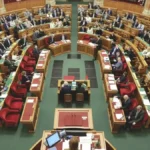
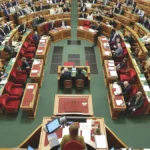
The Hungarian parliament approved the government’s proposal on Tuesday. It ends mandatory profit margins on essential foods and drugstore products.
Analysts note this move is complex. Before the original price caps, retail chains applied profit margins of 30 to 40 percent on many basic foods. For some dairy products, margins were even higher. If purchase costs remain unchanged, reinstating a 30 percent margin could lead to consumer price increases of over 18 percent. A return to 40 percent margins could mean prices rising by more than 27 percent compared to the capped prices.



The political debate highlights another concern. A Fidesz lawmaker, Gyopáros Alpár, pointed out different consequences. The government’s 2027 budget removes operational support for small village shops. This happens just as price controls end. He warns that hundreds or even thousands of these small stores may now close. Rural supply could worsen. Prices in these areas could rise further.
The lawmaker argues these combined decisions hurt small businesses. They cannot compete with large multinational chains on price. In his view, the policy ultimately supports big chains over small local shops.
- Price controls are lifted
- New tax burdens will be implemented
- 4.5 percent tax rate for large retailers
- Investment funds are drained from foreign companies
- Many small stores may close
- Consumers might face significant price increases
| Policy Aspect | Details |
|---|---|
| Price Caps | Ended for basic foods |
| Supermarket Tax | 4.5 percent ongoing, lower tax bracket to triple |
| Impact on Foreign Investment | Discouraged due to high tax |
| Small Store Support | Removal of operational support planned |
| Projected Price Increase | Up to 27 percent possible |
| Effect on Rural Areas | Potential worsening supply and higher prices |